
Since the 1990s, India's economy has been one of the world's fastest-growing. India is an important player in the global economy, with a GDP of $2.9 trillion and a population of over 1.3 billion people. The Indian economy is expected to continue to grow rapidly in the coming years, with an estimated GDP growth rate of 7% in 2019. The country's economic growth is driven by a number of factors, including its large population, strong domestic demand, and increasing integration into the global economy.Since the 1990s, India's economy has been one of the world's fastest-growing. India is an important player in the global economy, with a GDP of $2.9 trillion and a population of over 1.3 billion people. The Indian economy is expected to continue to grow rapidly in the coming years, with an estimated GDP growth rate of 7% in 2019. The country's economic growth is driven by a number of factors, including its large population, strong domestic demand, and increasing integration into the global economy.
The Indian economy is characterized by a number of strengths, including a large and young population, skilled labor force, abundant natural resources, strong economic growth over the past few years, and a favorable investment climate. India's membership in multilateral organizations such as the World Trade Organization (WTO) and the G20 provides it with additional opportunities to liberalize its trade regime and attract foreign investment.
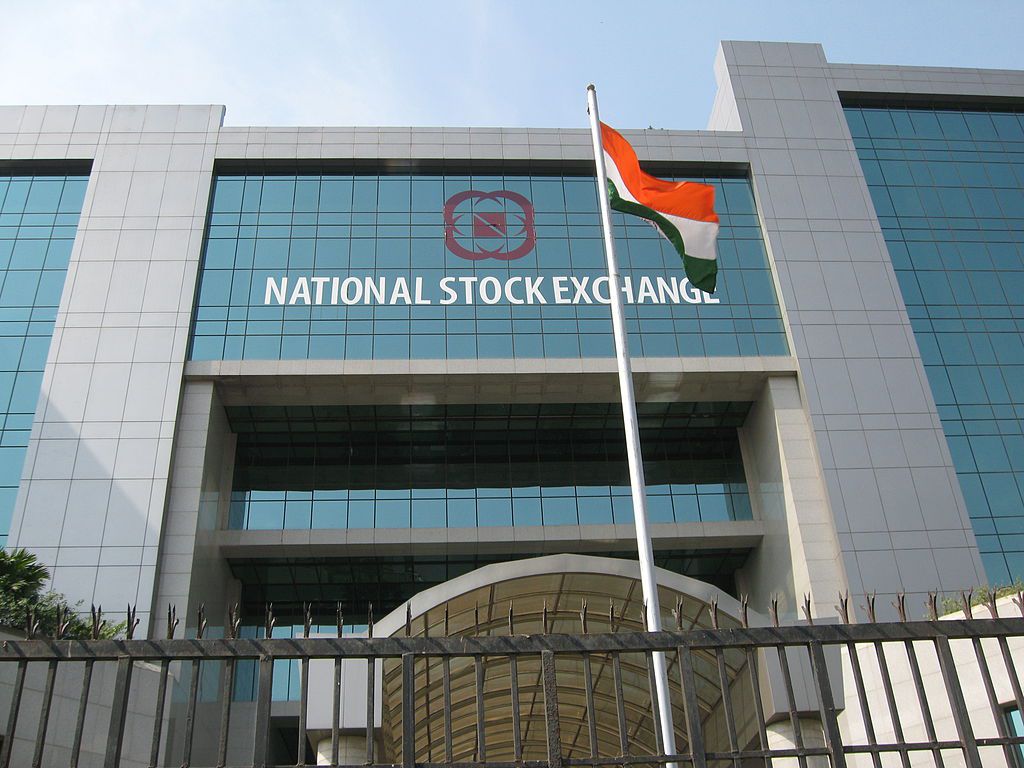
The Indian economy is a mixed economy, which combines elements of both socialism and capitalism. India is a member of the World Trade Organization (WTO) and is ranked as a newly industrialized country. The Indian economy has an agricultural sector, which accounts for about 15% of the GDP, a service sector that accounts for about 60% of the GDP, and an industrial sector that accounts for about 25% of the GDP. The mainstay of the Indian economy is the service sector, which accounts for about 60% of the GDP. The service sector includes transportation, storage, communication, banking and insurance, real estate services, business services, and community and social services. India's manufacturing sector is relatively small in comparison to other developed economies, but it is growing at a rapid pace. Manufacturing accounts for about 25% of the GDP. The agricultural sector accounts for about 15% of the GDP. The main crops grown in India are rice, wheat, sugarcane, cotton, maize (corn), pulses (legumes), oilseeds, tea, coffee, and spices such as chili peppers and turmeric. India is one of the world's leading producers of rice, wheat, sugarcane, cotton, and maize. India is also a major producer of pulses (legumes), oilseeds, tea, coffee, and spices. The Indian economy is characterized by a high degree of economic inequality. The top 1% of the population controls about 53% of the wealth, while the bottom 60% control only 4%. The Gini coefficient, which measures income inequality, was 0.48 in 2017-18.
One of the paramount events in the history of Indian economy is the Balance of Payment crisis which took place in 1991. This crisis transmuted the fundamental structure of Indian economy.
The roots of this financial crisis can be traced from the inefficient management of Indian economy in the 1980s. The regime requires funds to implement sundry policies and run its day to day business. These mazuma are engendered from taxation, Public Sector Undertakings etc. But, sometimes the regime needs to spend more than its earnings. So it borrows funds from domestic banks and withal peregrine financial institutions. In 1980s, the regime commenced spending inefficiently on gregarious sector schemes to boost development but it ignored the fact that its revenue generations was not ample to meet the sizably voluminous expenditure.
This led the regime to utilize its peregrine exchange reserve to spend on domestic consumption needs. Generally, the peregrine reserve is kept reserved for imports of paramount items like petrol etc.
Determinately, a situation arrived when government’s expenditure exceeded its revenue by such a sizably voluminous margin that it was not able to sustain any economic activity in the country. Peregrine exchange reserves dropped to levels which were not ample for imports for even a fortnight. This crisis was coupled with ascending prices of essential goods along with unemployment and impecuniosity issues. The regime could not pay fascinates to the international lenders.
Because of this nescient demeanor of the regime no peregrine country or financial institution was disposed to lend to India.
Then, India approached to the World Bank and IMF and received $7 billion as loan to manage the crisis. But, this imprest was granted to India on certain conditions.
World Bank and IMF asked India to open up its economy by minimizing the role of regime and promoting privatisation, globalisation and liberalisation.
Thus, an incipient era of Indian economy commenced with more accentuation on private sector and globalisation.
In computer science, a cryptocurrency, crypto-currency, or crypto is a digital currency that does not rely on any central authority to uphold or maintain it. Instead, transaction and ownership data is stored in a digital ledger using distributed ledger technology, typically a blockchain. However, when a cryptocurrency is issued by a single issuer or minted or created prior to issuance, it is generally considered centralized.
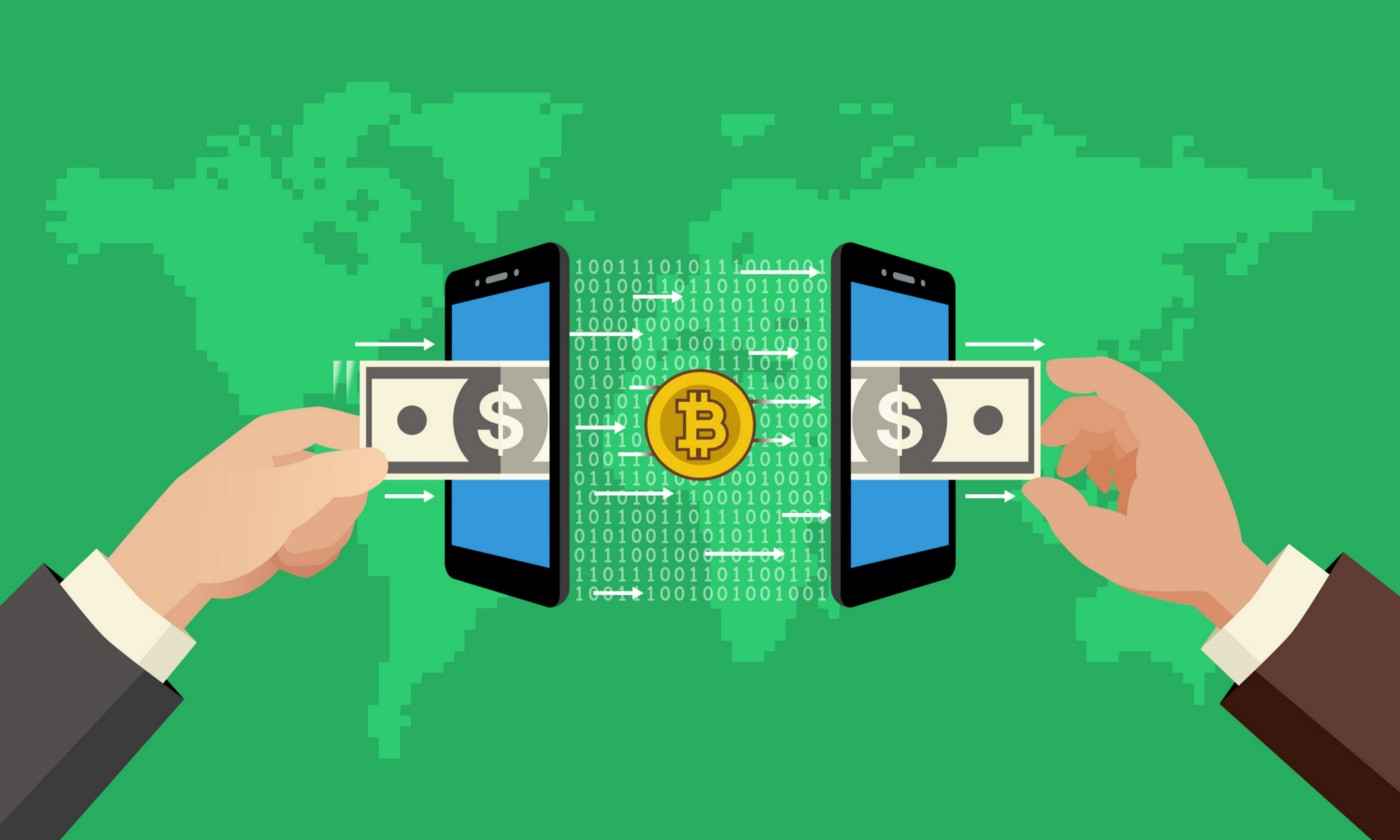
Despite the name, cryptocurrencies are not considered to be currencies in the traditional sense and while varying treatments have been applied to them, including classification as commodities, securities, as well as currencies, cryptocurrencies are generally viewed as a distinct asset class in practice. Unlike paper money, cryptocurrency does not exist in physical form and is typically not issued by a central authority. Cryptocurrencies typically use decentralized control as opposed to a central bank digital currency (CBDC). Traditional asset classes like currencies, commodities, and stocks, as well as macroeconomic factors, have modest exposures to cryptocurrency returns.
The first modern cryptocurrency was Bitcoin, which first released as open-source software in 2009. As of March 2022[needs update], there were more than 9,000 other cryptocurrencies in the marketplace, of which more than 70 had a market capitalization exceeding $1 billion.

As we all know Ethereum has finally made history from changing its consensus from "proof of work" to "proof of stake". This is a big deal because Ethereum is looking towards a sustainable mechanisms. This shift from POW to POS is surley a major change seen in the crypto ecosystem. The creation of digital asset and currency was introduced in early 2009, when the markets went into a downside fall(a very bad one, like falling from the highest peaks that it created due to a housing bubble...
It all started when Satoshi Nakamoto realized the world needs a system, which would operate soley independent without any further intervention of banks and third party service providers to sequeze the process of storing money and transacting it with ease. The banks play a major role in circulating money to the global economy. Imagine doing a international transaction involves more than one bank in the process and also is taxed in several layers. In other words, the process is not transparent enough to please the system. Nations even today greatly depend on gold as a standard commodity and currency which is acceteped globally. This opens a window for a organizations and goverment to tax according to the demand and supply. Gold is a natural element and is hard to find everywhere, it takes certain process to extract and mine gold from natural resorviors. In the 20th and 21st centuries, most volume of mining was done by large corporations.
Ethereum was initially described in late 2013 in a white paper by Vitalik Buterin, a programmer and co-founder of Bitcoin Magazine, that described a way to build decentralized applications. Buterin argued to the Bitcoin Core developers that Bitcoin and blockchain technology could benefit from other applications besides money and that it needed a more robust language for application development[18]: 88 that could lead to attaching[clarification needed] real-world assets, such as stocks and property, to the blockchain. In 2013, Buterin briefly worked with eToro CEO Yoni Assia on the Colored Coins project and drafted its white paper outlining additional use cases for blockchain technology.However, after failing to gain agreement on how the project should proceed, he proposed the development of a new platform with a more robust scripting language—a Turing-complete programming language-that would eventually become Ethereum.
Ethereum was announced at the North American Bitcoin Conference in Miami, in January 2014. During the conference, Gavin Wood, Charles Hoskinson, and Anthony Di Iorio (who financed the project) rented a house in Miami with Buterin at which they could develop a fuller sense of what Ethereum might become. Di Iorio invited friend Joseph Lubin, who invited reporter Morgen Peck, to bear witness. Peck subsequently wrote about the experience in Wired. Six months later the founders met again in Zug, Switzerland, where Buterin told the founders that the project would proceed as a non-profit. Hoskinson left the project at that time and soon after founded IOHK, a blockchain company responsible for Cardano.
To better understand the creation, we need to relate and understand where we started. One of the major leaps we have had in the history is the internet. People moved from papers to computers for store of information. Since sending information using internet is much faster than we thought. We
started realizing this in through 1950's. Getting inputs from mastermind like Bob Kahn and Vint Cerf, who evolved the internet journey from packet switching to TCP and IP.
In the early 1980s, the National Science Foundation (NSF) funded national supercomputing centers at several universities in the United States, and provided interconnectivity in 1986 with the NSFNET project, thus creating network access to these supercomputer sites for research and academic organizations in the United States. International connections to NSFNET, the emergence of architecture such as the Domain Name System, and the adoption of TCP/IP internationally on existing networks marked the beginnings of the Internet.

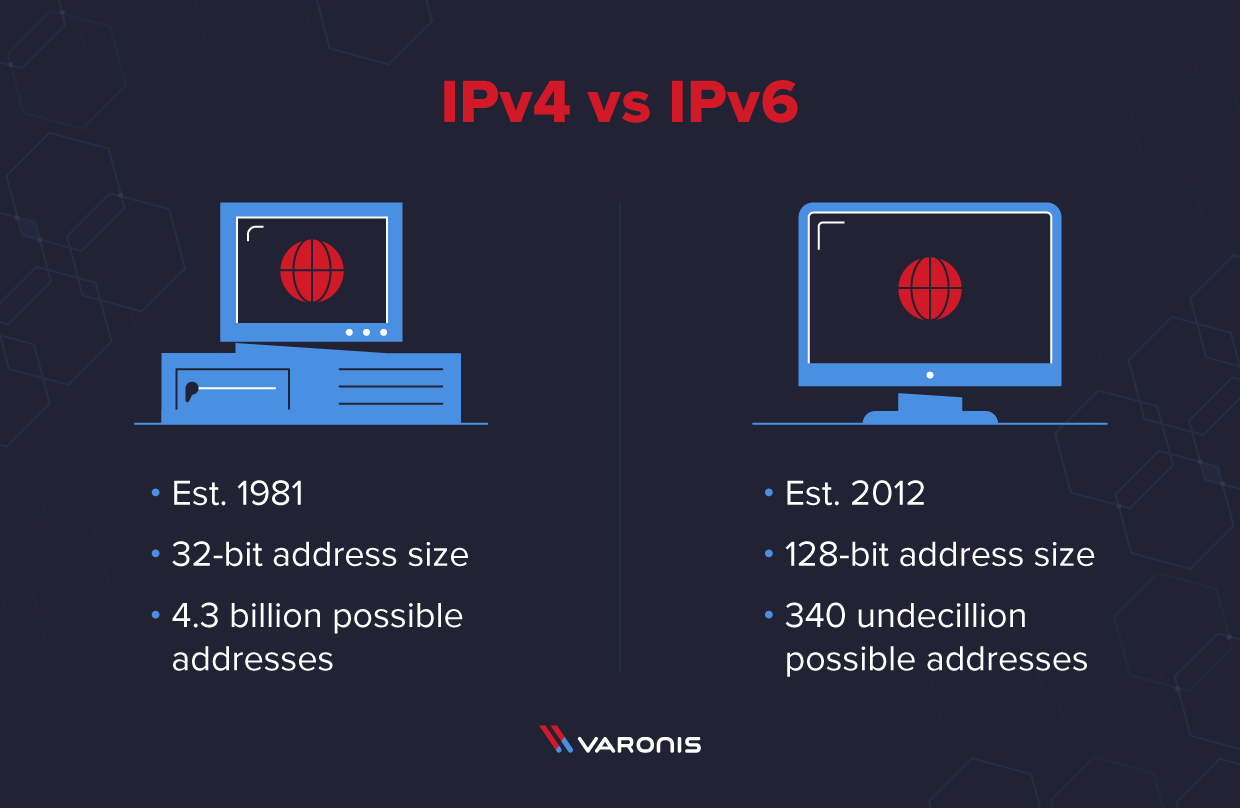
Further, Research at CERN in Switzerland by the British computer scientist Tim Berners-Lee in 1989–90 resulted in the World Wide Web, linking hypertext documents into an information system, accessible from any node on the network. The dramatic expansion of capacity of the Internet with the advent of wave division multiplexing (WDM) and the roll out of fiber optic cables in the mid-1990s had a revolutionary impact on culture, commerce, and technology. This actually led to the use of messaging service, emails and vedio chat, social networking and ecommerce to rise. Overtime, this led to new inovations and we developed new devices and application to improve are experience using INTERNET and TECHNOLOGY.

Apple Inc. is an American hardware and software developer and technology company that develops and sells computers, smartphones and consumer electronics as well as operating systems and application software. Apple also operates internet sales portals for music, films and software.
Along the way, we also got better and better using data. The banks which are the nervous system of the global economy also kept growing along with internet. The goverments and private organization also benifited using the internet and technology system, where exchange of value and information became more easy. We focused on what could be achivided using the technology we grew. When we focus on achiving the best using it, we tend to also get dependant on the system. Can you Imagine a world without internet today?
It is not the fact you can leave internet and technology, but rather what good will be missed if this goes down. Talking about it in 2022, I believe there is no going back until something really catastropic happens. By the way, ist'nt it why we still thrive to develop better applications.
The banks relay heavily on the internet to function the way they do in todays world.
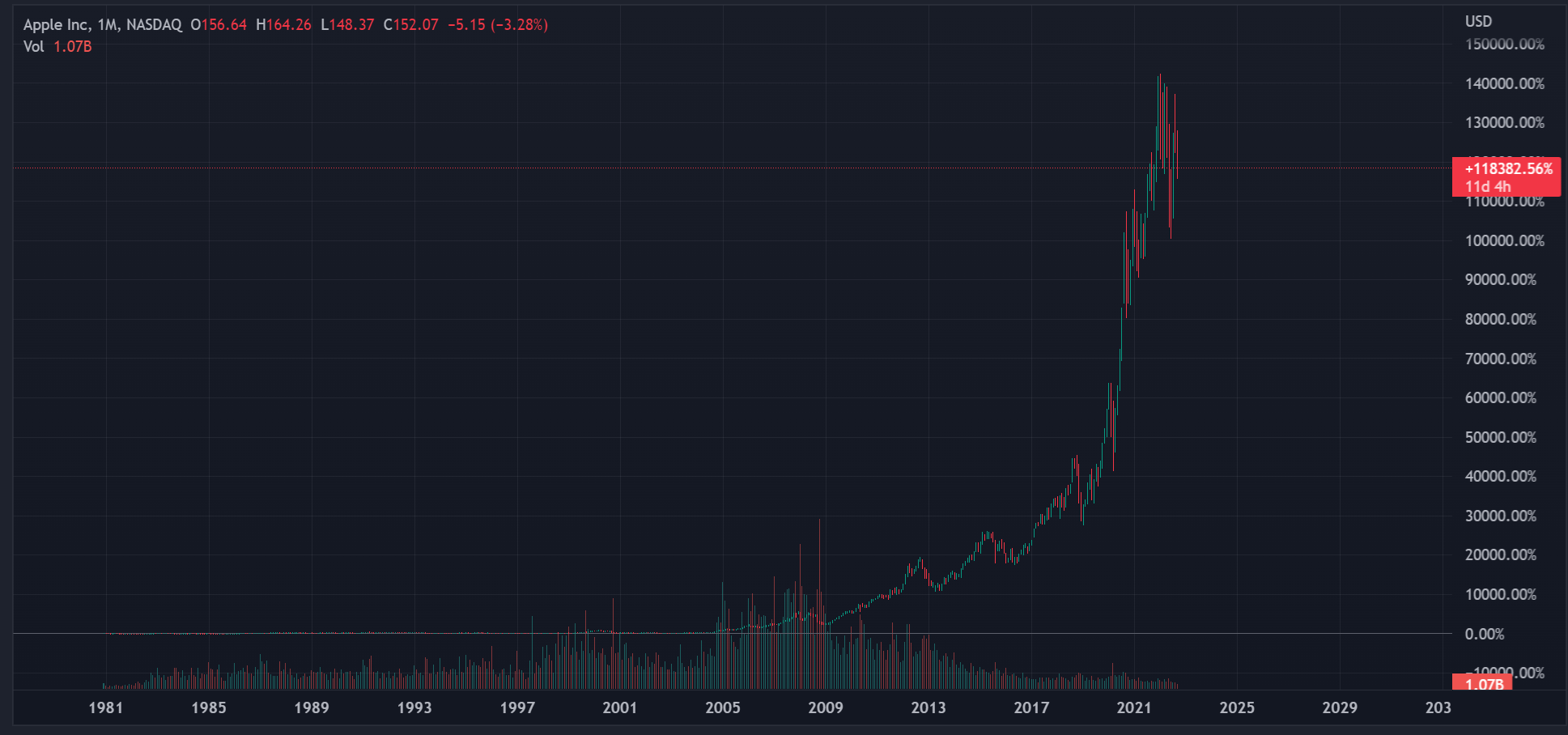
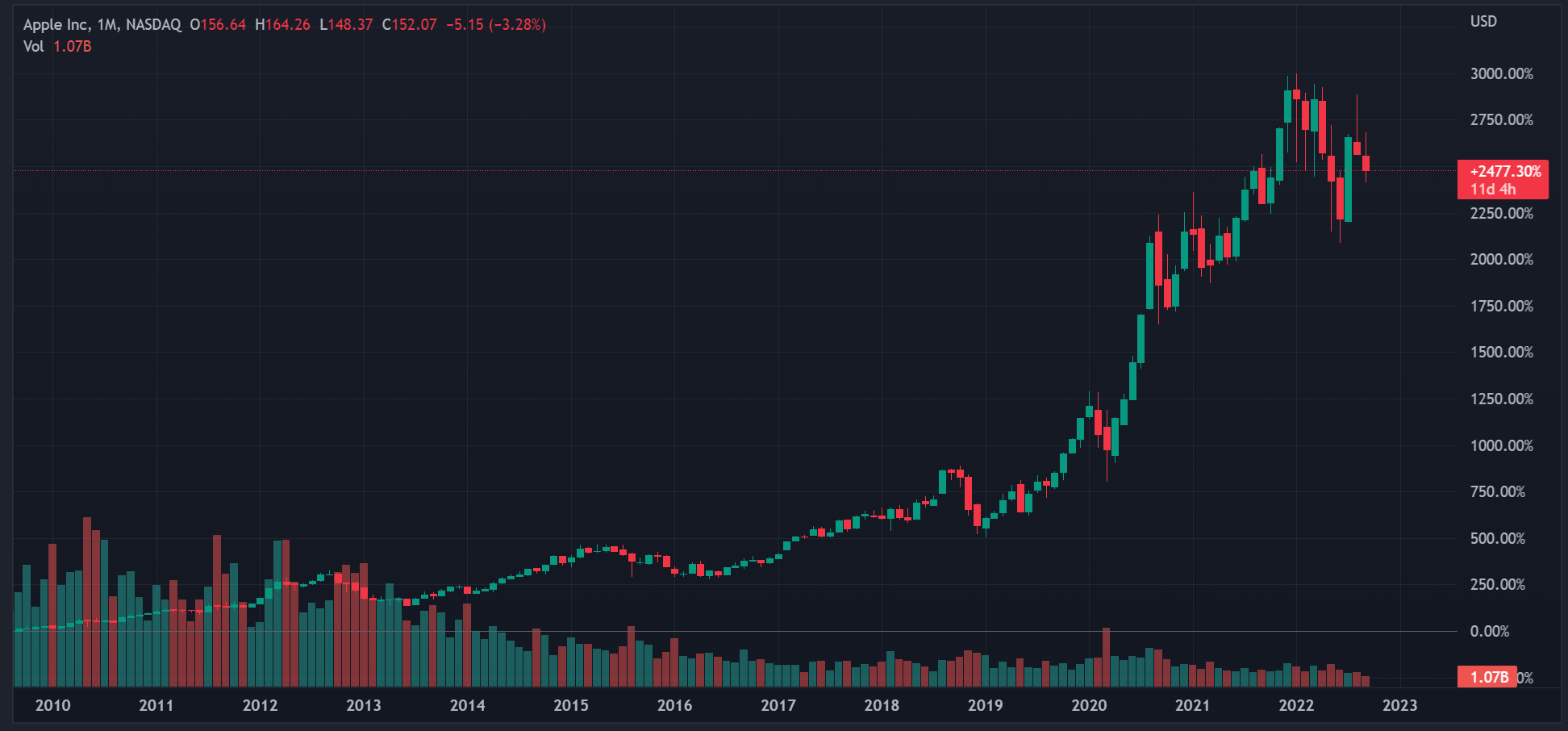
On 1st October 2021 the crypto market hit its all time high 2.62 triilion dollars. In comparsion to the biggest market player Apple Inc., which hit its all time high 2.91 trillion dollars.
created with
Website Builder Software .